The team steering the platform.
The people building the migration path.
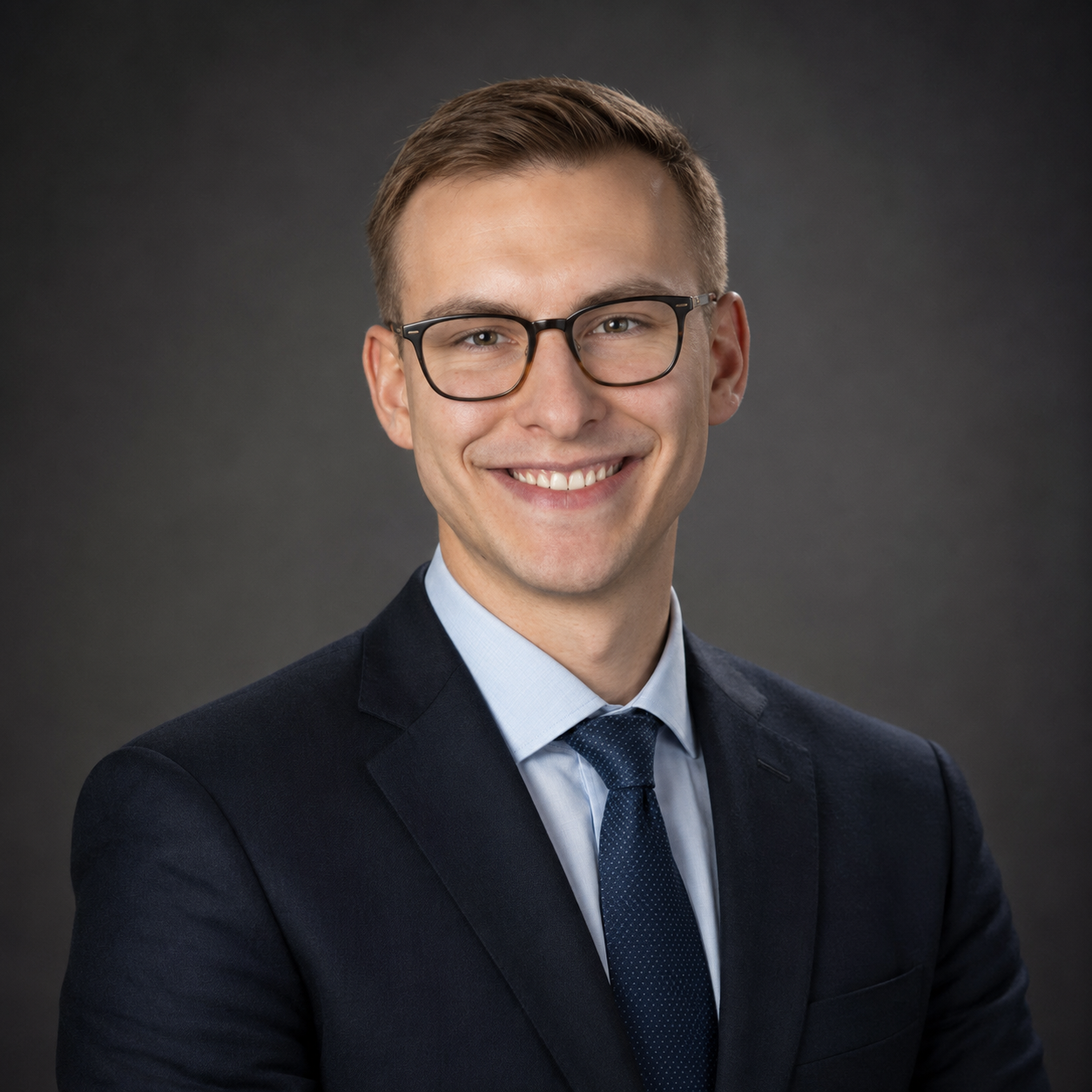
Ethan Whitfield
Ethan led infrastructure security for a national payments processor before co-founding Q-Cube, and still asks every roadmap slide "what breaks first, and how do we know." Off the clock, he's three machines deep into restoring a garage full of vintage arcade cabinets.
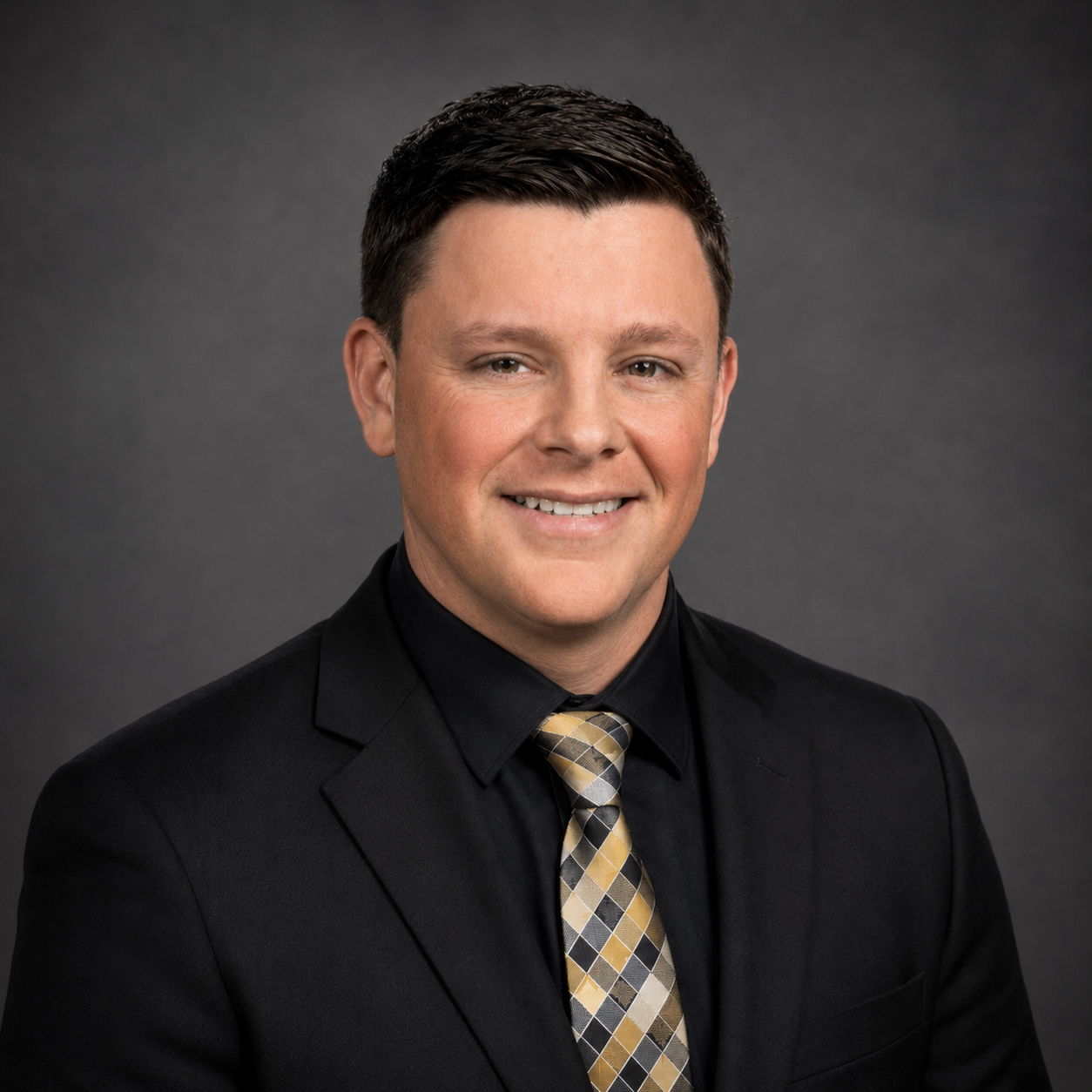
Jacob Renner
Jacob was contributing to early CRYSTALS-Kyber implementation work before "post-quantum" was a boardroom phrase, and now architects Q-Cube's zero-downtime key rotation framework. He keeps four beehives on his roof and sells the honey at a neighborhood market table each fall.
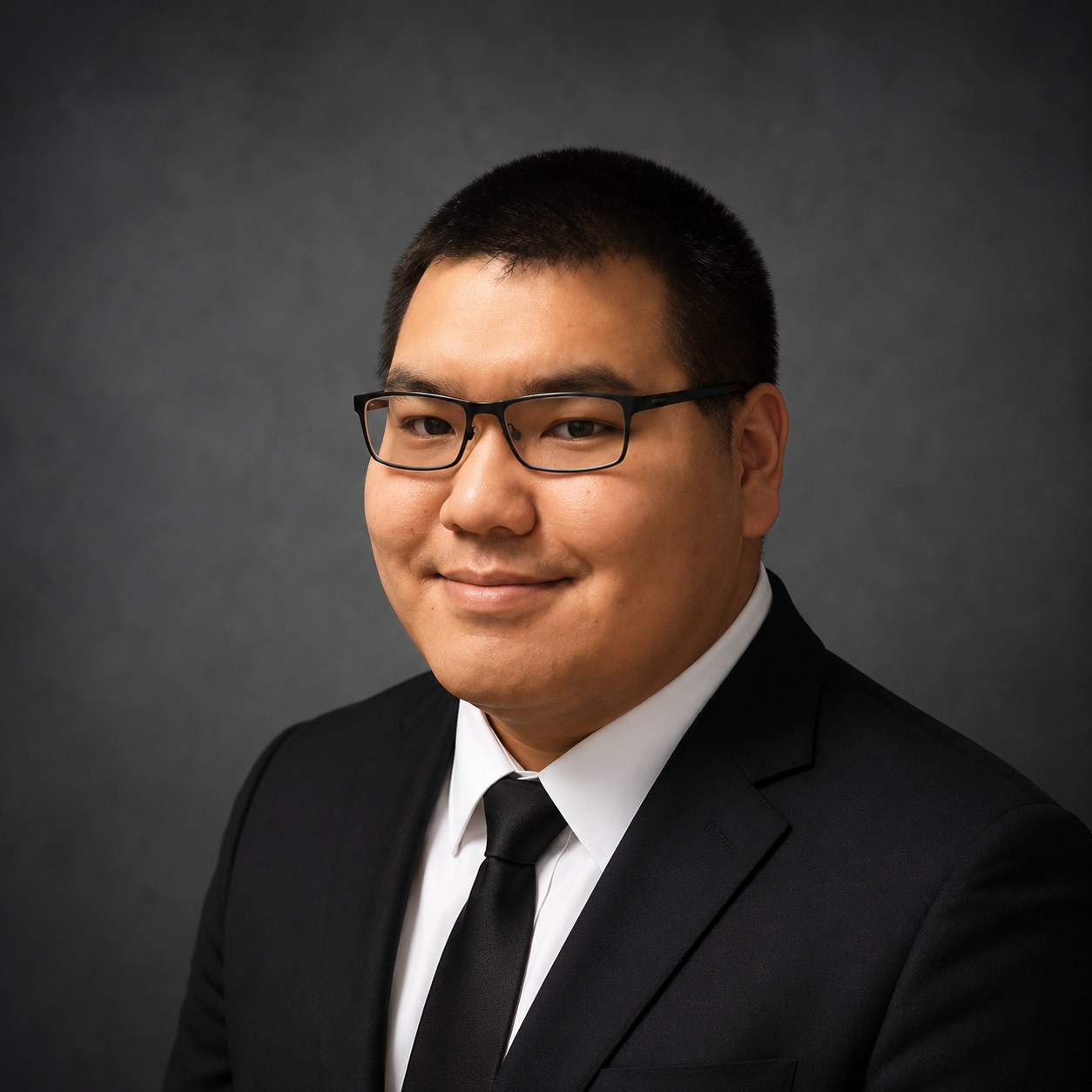
Nate Tanaka
Nate built his career modeling capital efficiency for infrastructure-heavy startups and joined Q-Cube because he thinks the economics of the PQC migration, not just the tech, are underpriced by the market. He and his wife compete in amateur ballroom circuits, and yes, he will show you the trophy.
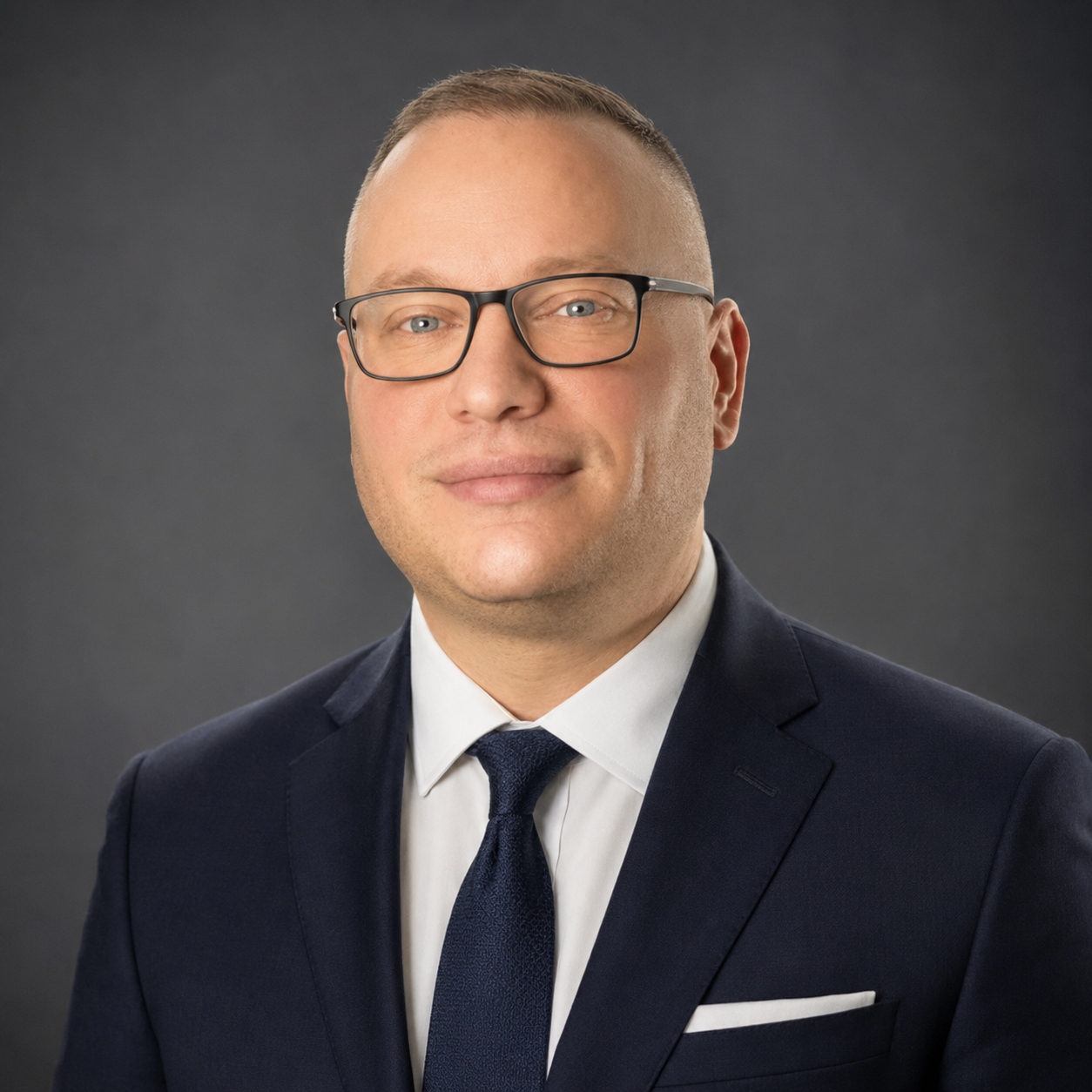
David Marsh
David spent a decade translating dense cybersecurity work into stories customers and analysts actually understand, and treats "quantum-safe" messaging as its own engineering problem — precise, no overselling the timeline. He's a licensed ham radio operator who spends weekend nights chasing contacts on the other side of the planet.
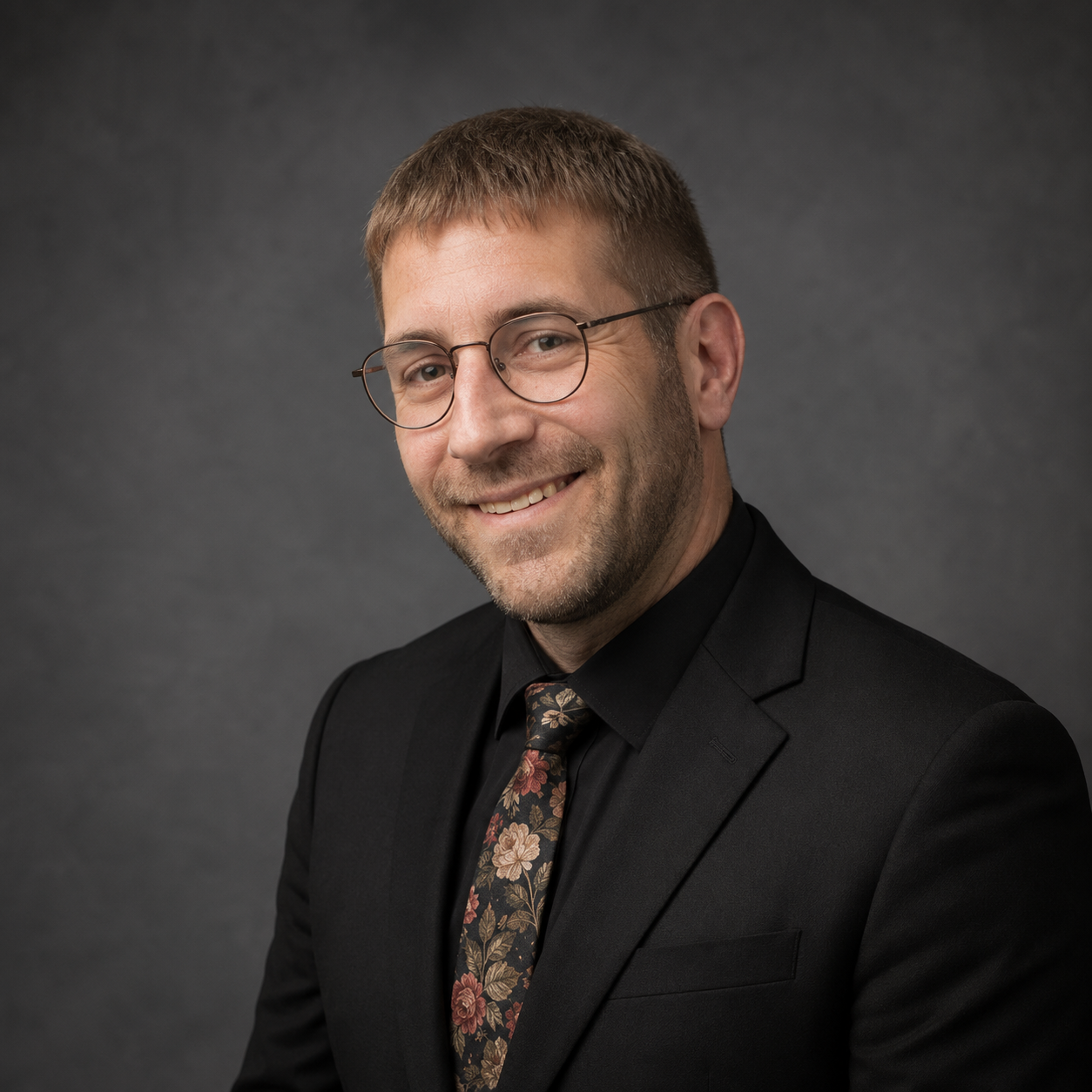
Cole Bannister
Cole leads the adversarial ML research behind Q-Cube's signature-free detection models, drawing on a background in out-of-distribution robustness — the same property that lets the platform catch attacks it's never seen. On weekends he forages wild mushrooms and has strong, frequently revised opinions on what belongs in risotto.
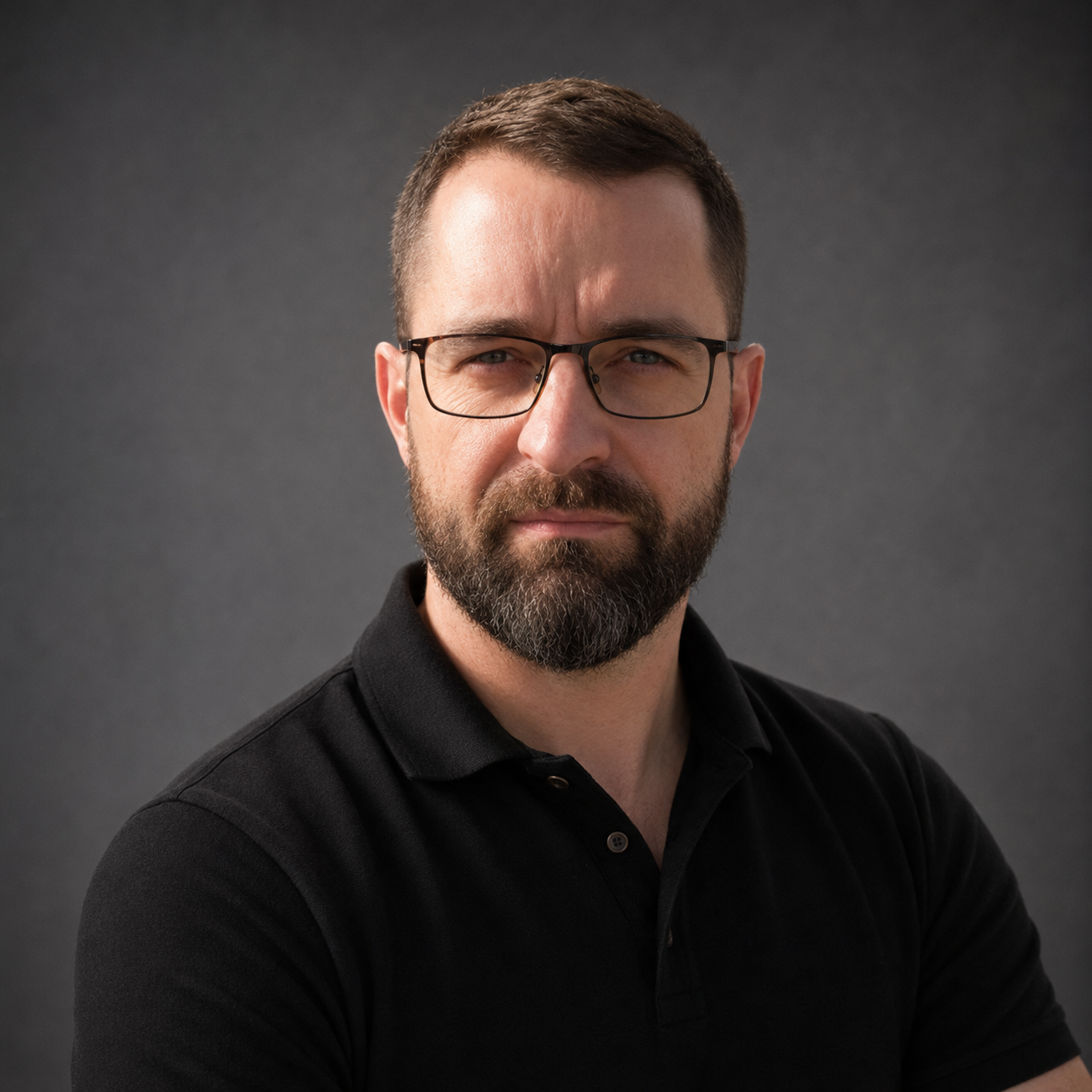
Jesse Caldwell
Jesse runs day-to-day engineering execution across the crypto-agility and detection platforms, with an unwavering rule that nothing ships without a rollback path, learned the hard way during a bad migration weekend at a previous job. He plays upright bass in a local bluegrass band that gigs more than he'd like to admit.
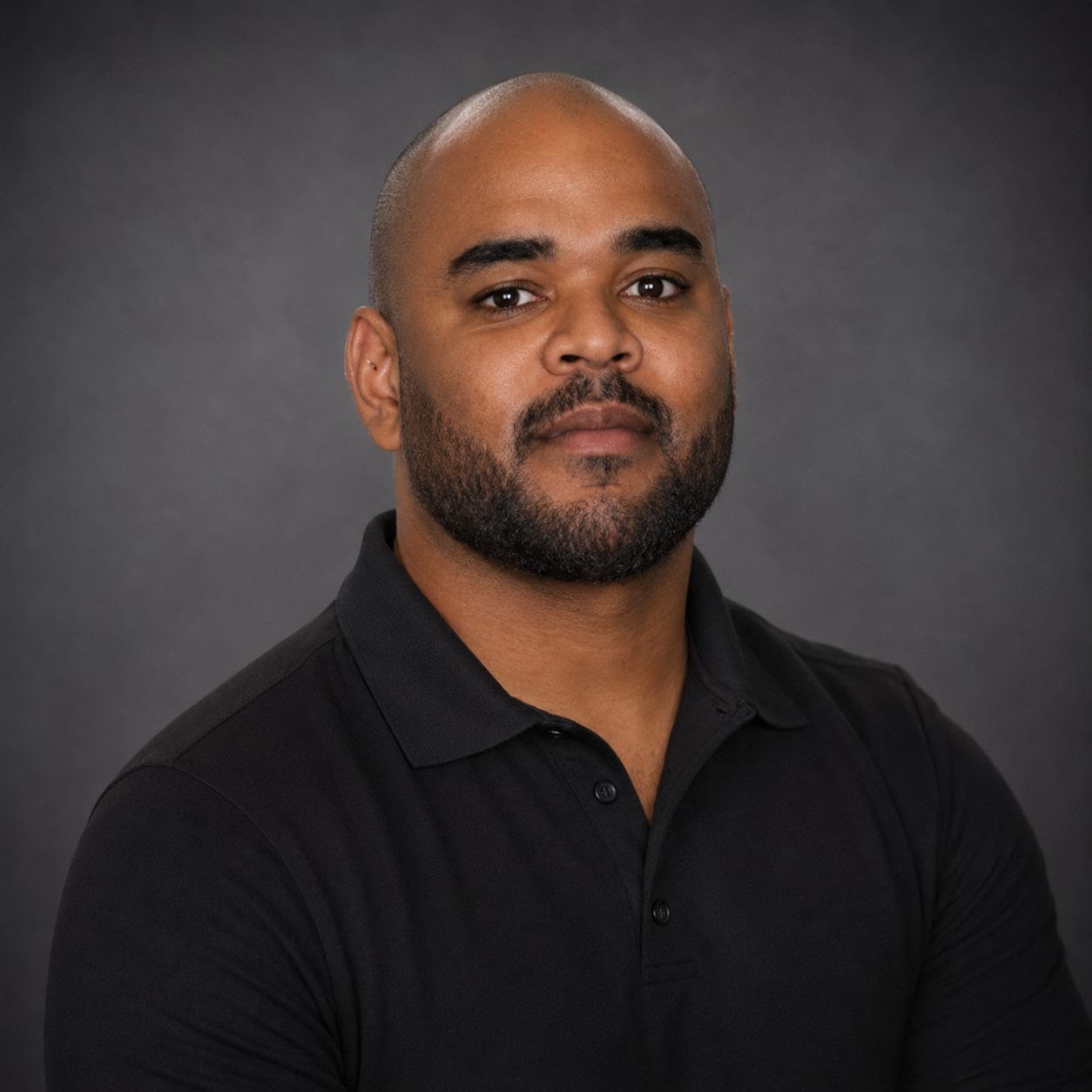
Channing Voss
Channing spent six years selling security infrastructure into regulated enterprises before joining Q-Cube to run revenue, and won't let a deal close on a slide that oversells the migration timeline. On weekends he competes in local strongman meets and can out-deadlift most of engineering.
Casey Lindqvist
Casey sits at the boundary between what's cryptographically sound and what's operationally shippable, translating the research team's roadmap into something a CISO can actually approve. He builds and races radio-controlled cars on a track he helped chalk out in a parking lot.
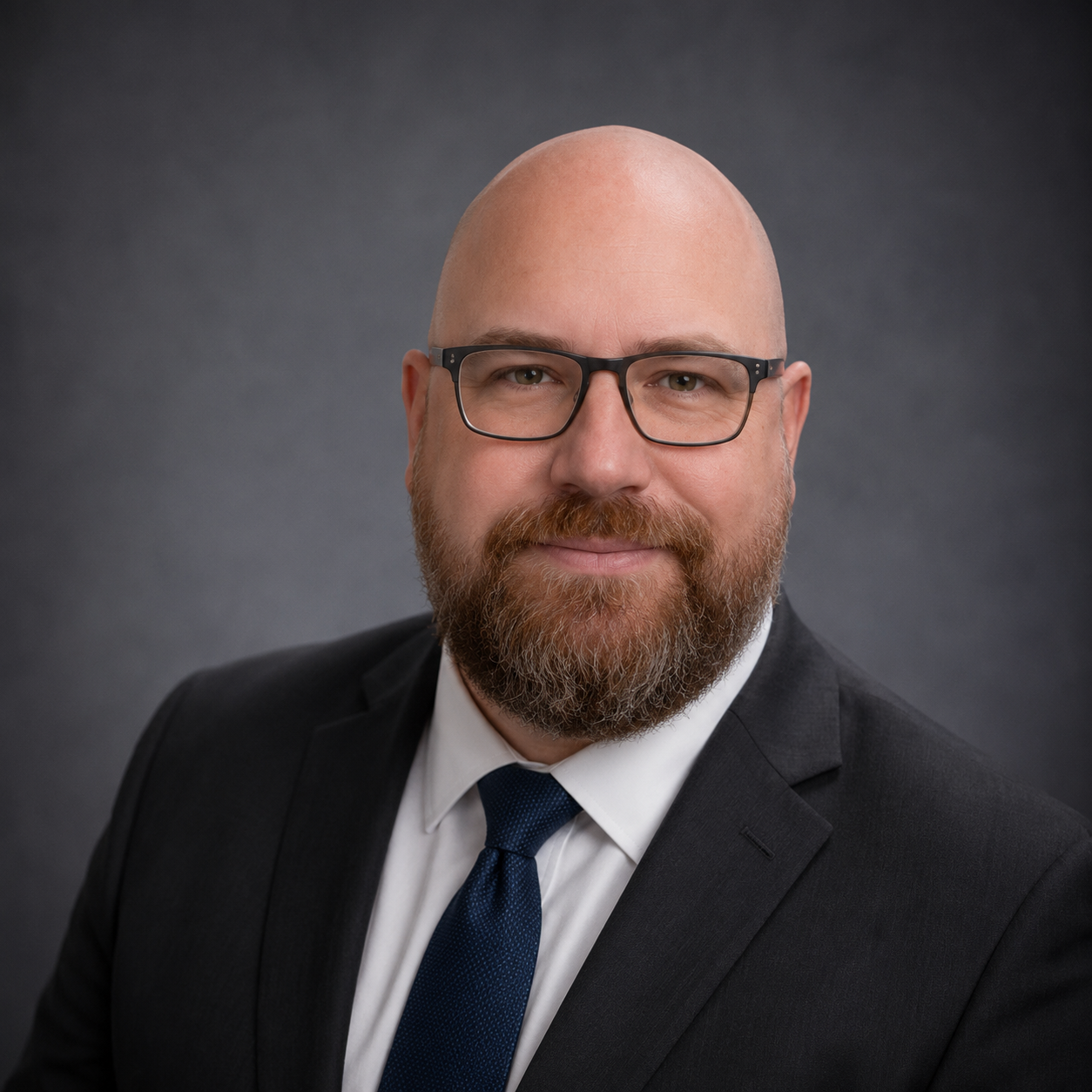
Gary Okafor
Gary spent a decade in export-control and data-protection law before Q-Cube, and is the reason the company's crypto software actually clears customs. He restores antique typewriters and has strong opinions about which ribbon inks age best.
Heather Solano
Heather runs the team that walks enterprise customers through their actual PQC migrations, not the pitch-deck version. She trains for open-water swim races and has a standing bet with Jesse over who finishes their next one faster.
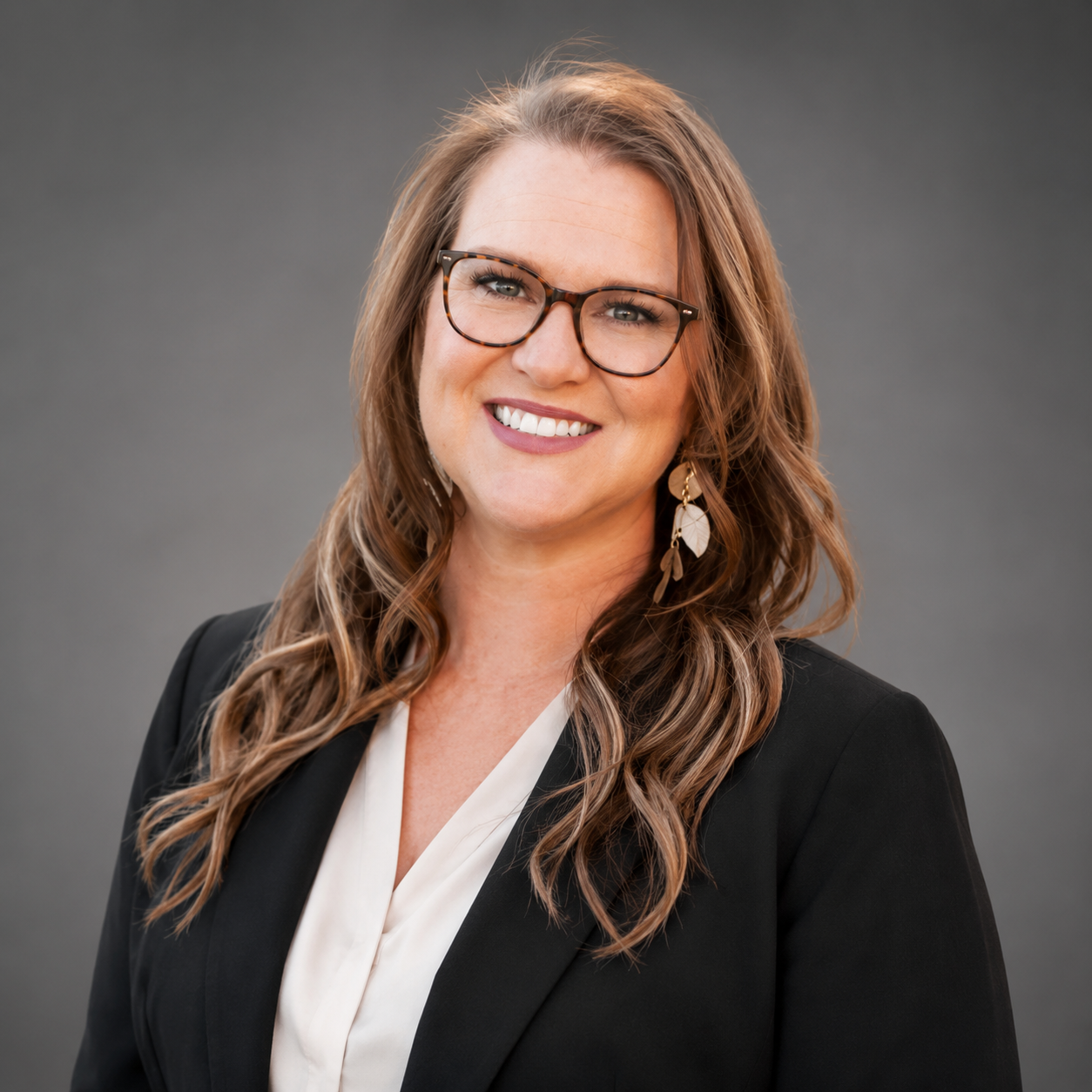
Shannon Reyes
Shannon spent years red-teaming cryptographic implementations at a national lab before joining Q-Cube to stress-test the platform's own defenses before an adversary does. She restores old sailboats and has sailed two of her own rebuilds across open water.